- Home
- Blog
- About Quality Demolition and Land Clearing
- Get a Free Estimate!
- FAQs: Land Clearing, Excavation & Demolition in Knoxville
- Demolition Services
- Land Clearing & Site Prep
- Emergency Debris Removal Service
- Tree & Brush Removal
- Excavation & Grading
- Knoxville Demolition
- Mobile Home Demolition & Removal in Knoxville, TN
- Pool Demolition & Removal Services in Knoxville, TN
- Concrete & Foundation Removal
- Dump Truck Hauling & Material Delivery in Knoxville, TN | Gravel, Mulch & Dirt
- demolition-sevierville-tn
- demolition-lenoir-city-tn
- demolition-oak-ridge-tn
- knox county demolition and land clearing
- Excavation Services Oak Ridge TN
- Excavation Services Lenoir City TN
- Excavation Services Maryville TN
- Excavation Services Loudon TN
- Excavation Services in Sevierville TN
- Excavation Services Farragut TN
- Excavation Services Seymour TN
- Excavation Services Powell TN
- Excavation Services Halls TN
- Excavation Services Karns TN
- Excavation Services Clinton TN
Preparing for Spring: A Homeowner's Guide to Land Clearing
Understanding Land Clearing
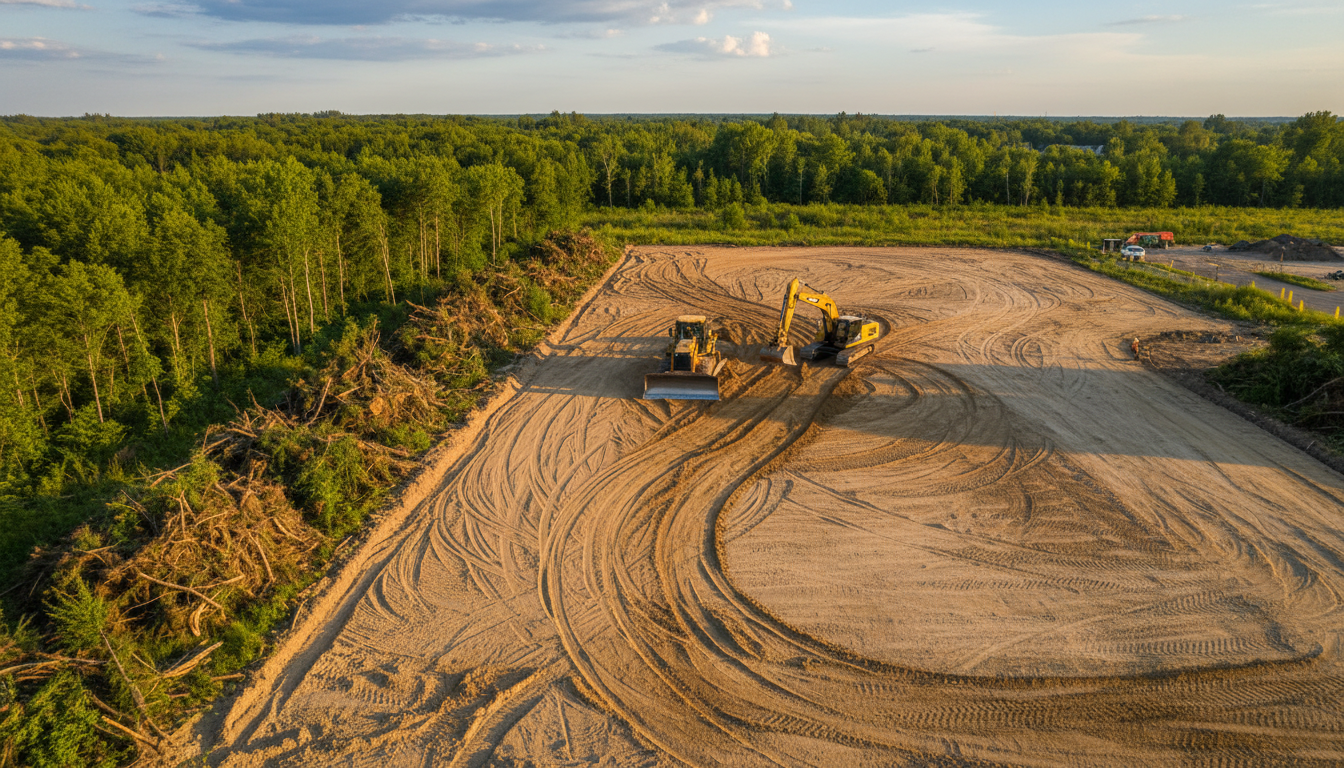
As spring approaches, homeowners often look forward to refreshing their outdoor spaces. One essential task in preparing your property is land clearing. This process involves removing trees, shrubs, and debris to make way for new growth and landscaping projects. Whether you're planning a garden, installing a playground, or simply want a tidy yard, land clearing is a crucial step.
Land clearing can enhance the appearance of your property and improve its safety. Overgrown areas can harbor pests and become fire hazards, so addressing these issues early in the season is beneficial.
Assessing Your Property
Before you begin, it's important to assess your property thoroughly. Identify areas that need attention and determine the extent of clearing required. Consider factors like the size of the area, the type of vegetation present, and any obstacles such as rocks or uneven terrain.
Consulting with a professional may be advantageous if the project seems overwhelming. They can provide insights and recommend strategies tailored to your specific needs.
Creating a Plan
Once you've assessed your property, it's time to create a detailed plan. Outline the areas to be cleared and prioritize tasks based on urgency and importance. Establishing a timeline will help you stay organized and ensure that the project progresses smoothly.

Tools and Equipment
Having the right tools and equipment is essential for efficient land clearing. Basic tools include chainsaws, pruners, and shovels, but larger projects might require heavy machinery like bulldozers or excavators. Ensure all equipment is in good working condition before starting.
Safety should be a top priority. Wear appropriate protective gear such as gloves, goggles, and sturdy boots to prevent accidents and injuries.
Executing the Plan
Begin with smaller tasks, such as clearing brush and small trees, before moving on to larger obstacles. Work systematically, focusing on one section at a time to maintain organization and efficiency.

Disposing of Debris
Proper disposal of cleared vegetation and debris is crucial. Depending on the material, consider options like composting, chipping, or hauling it to a recycling center. Some communities offer collection services, so check local regulations and resources.
Recycling and composting are eco-friendly methods that benefit the environment and can provide you with valuable resources for future gardening projects.
Final Touches
After clearing the land, take a moment to review your work. Ensure that all debris is removed and that the cleared areas are ready for new projects. Consider adding soil amendments or mulch to enrich the ground and prepare it for planting.
With the groundwork laid, you can now focus on the exciting part—transforming your outdoor space into a vibrant, welcoming area for spring and beyond.