
- Home
- Blog
- About Quality Demolition and Land Clearing
- Get a Free Estimate!
- FAQs: Land Clearing, Excavation & Demolition in Knoxville
- Demolition Services
- Land Clearing & Site Prep
- Emergency Debris Removal Service
- Tree & Brush Removal
- Excavation & Grading
- Knoxville Demolition
- Mobile Home Demolition & Removal in Knoxville, TN
- Pool Demolition & Removal Services in Knoxville, TN
- Concrete & Foundation Removal
- Dump Truck Hauling & Material Delivery in Knoxville, TN | Gravel, Mulch & Dirt
- demolition-sevierville-tn
- demolition-lenoir-city-tn
- demolition-oak-ridge-tn
- knox county demolition and land clearing
- Excavation Services Oak Ridge TN
- Excavation Services Lenoir City TN
- Excavation Services Maryville TN
- Excavation Services Loudon TN
- Excavation Services in Sevierville TN
- Excavation Services Farragut TN
- Excavation Services Seymour TN
- Excavation Services Powell TN
- Excavation Services Halls TN
- Excavation Services Karns TN
- Excavation Services Clinton TN
Mastering Interior Demolition: Best Practices for Tennessee Projects
Understanding the Basics of Interior Demolition
Interior demolition is a critical phase in renovation projects, especially in states like Tennessee where regulations and building codes must be closely followed. This process involves the careful dismantling of building interiors, making way for new construction or design. Whether you’re a seasoned contractor or a homeowner looking to undertake a DIY project, understanding the fundamentals of interior demolition is essential.
Proper planning is the cornerstone of a successful interior demolition project. It involves assessing the scope of work, obtaining necessary permits, and ensuring safety protocols are in place. Hiring experienced professionals can streamline this process, providing you with the expertise and equipment required to execute the project efficiently.

Safety First: Essential Precautions
Safety is paramount in interior demolition projects. Adhering to safety regulations not only protects workers but also ensures compliance with local laws. Before starting any demolition work, conduct a thorough inspection to identify potential hazards such as asbestos, lead paint, or mold. These materials require special handling and disposal procedures.
Equipping workers with the right protective gear is crucial. Hard hats, safety goggles, gloves, and respiratory masks are essential to safeguard against injuries and health risks. Implementing a comprehensive safety plan can significantly reduce the likelihood of accidents and create a safer work environment.
Choosing the Right Tools and Equipment
Having the appropriate tools and equipment is vital for effective interior demolition. Depending on the project's complexity, you might need sledgehammers, pry bars, and power tools like reciprocating saws. Investing in high-quality tools can enhance efficiency and reduce the time required to complete the demolition.
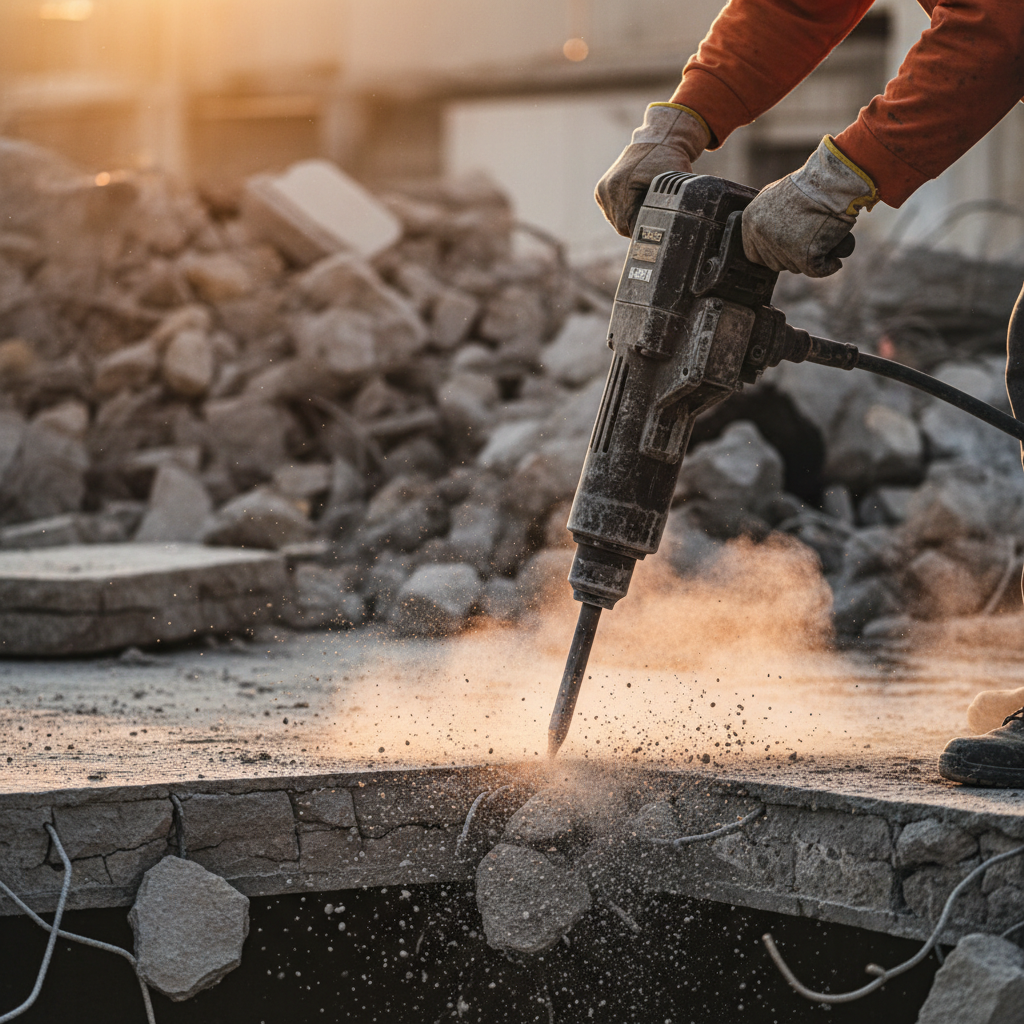
Moreover, debris removal is an integral part of the demolition process. Utilizing dumpsters or debris bags can help manage waste effectively, ensuring that the site remains organized and safe throughout the project. Collaborating with a local waste management company can provide additional support and resources.
Environmental Considerations
Interior demolition can have significant environmental impacts if not managed properly. Recycling materials such as metal, wood, and concrete can minimize waste and contribute to sustainability efforts. Many cities in Tennessee offer recycling programs that can be leveraged to reduce the environmental footprint of demolition projects.
Additionally, salvaging materials for reuse can be both economically and environmentally beneficial. Items like doors, fixtures, and cabinetry can often be repurposed or donated, reducing the need for new resources and supporting local communities.

Working with Professionals
While some may consider DIY approaches to interior demolition, hiring professionals often leads to better outcomes. Professional demolition contractors possess the knowledge and experience to handle complex challenges, ensuring the project is completed safely and efficiently.
When selecting a contractor, look for those with a strong track record and positive client reviews. A reliable contractor will guide you through the process, from obtaining permits to final clean-up, providing peace of mind and high-quality results.
Conclusion: Planning for Success
Mastering interior demolition in Tennessee requires careful planning, adherence to safety protocols, and consideration of environmental impacts. Whether you choose to hire professionals or undertake the project yourself, staying informed and prepared is key to a successful renovation.
By following these best practices, you can ensure that your interior demolition project runs smoothly, paving the way for a successful transformation of your space.