
- Home
- Blog
- About Quality Demolition and Land Clearing
- Get a Free Estimate!
- FAQs: Land Clearing, Excavation & Demolition in Knoxville
- Demolition Services
- Land Clearing & Site Prep
- Emergency Debris Removal Service
- Tree & Brush Removal
- Excavation & Grading
- Knoxville Demolition
- Mobile Home Demolition & Removal in Knoxville, TN
- Pool Demolition & Removal Services in Knoxville, TN
- Concrete & Foundation Removal
- Dump Truck Hauling & Material Delivery in Knoxville, TN | Gravel, Mulch & Dirt
- demolition-sevierville-tn
- demolition-lenoir-city-tn
- demolition-oak-ridge-tn
- knox county demolition and land clearing
- Excavation Services Oak Ridge TN
- Excavation Services Lenoir City TN
- Excavation Services Maryville TN
- Excavation Services Loudon TN
- Excavation Services in Sevierville TN
- Excavation Services Farragut TN
- Excavation Services Seymour TN
- Excavation Services Powell TN
- Excavation Services Halls TN
- Excavation Services Karns TN
- Excavation Services Clinton TN
How to Prepare Your Property for Demolition: Tips from East TN Experts
Understanding the Demolition Process
Preparing your property for demolition involves more than just tearing down walls. It's a comprehensive process that requires careful planning and adherence to regulations. Whether you are looking to rebuild or clear space, understanding the steps involved can save time and money.
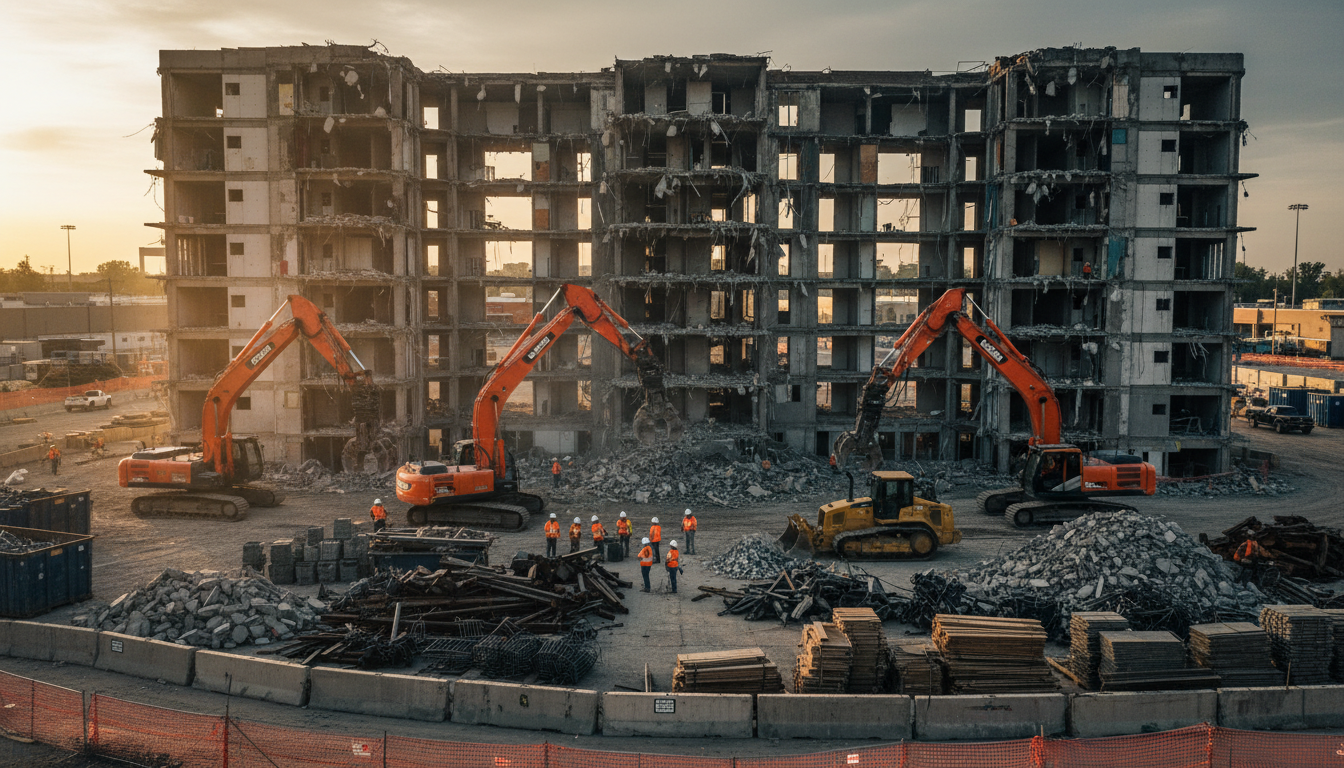
Conducting a Thorough Inspection
Before any demolition work begins, it's crucial to conduct a thorough inspection of the property. This involves identifying hazardous materials, such as asbestos or lead, which must be safely removed by professionals. Inspections also help in understanding the structural integrity of the building, ensuring a safer demolition process.
Securing Permits and Approvals
Demolition requires specific permits and approvals from local authorities. Failing to secure these can lead to legal complications and fines. It's essential to research what documents are needed in your area and ensure all paperwork is completed well in advance.

Preparing the Site
Once permits are in place, the next step is site preparation. This involves disconnecting utilities such as water, gas, and electricity to prevent accidents during demolition. Additionally, any salvageable materials, like fixtures or wood, should be removed for reuse or recycling.
Setting Up Safety Measures
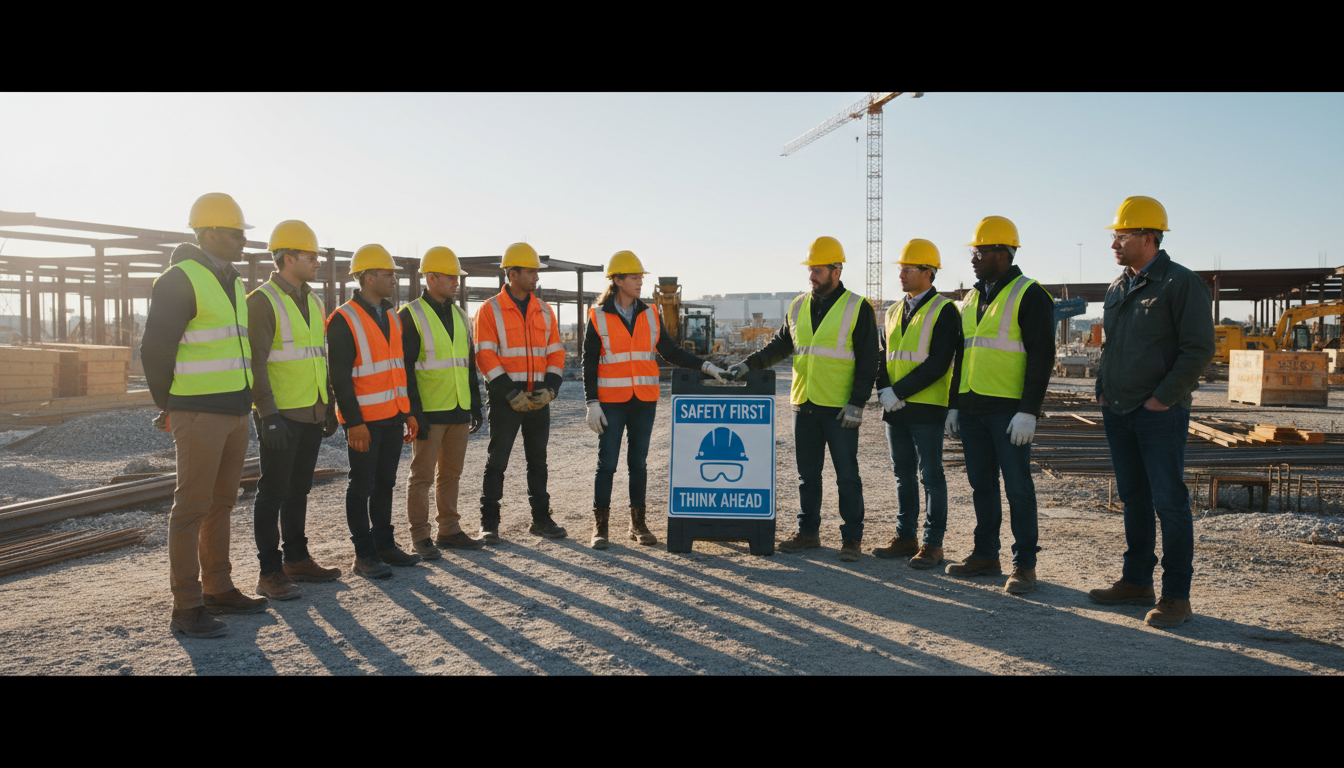
Safety is paramount in demolition projects. Establishing a perimeter around the site with barriers and signage can protect both workers and the public. Ensuring that all personnel are equipped with proper safety gear, such as helmets and gloves, is also essential.
Working with Professionals
Partnering with experienced demolition experts can make a significant difference. They bring specialized equipment and knowledge, ensuring the demolition is carried out efficiently and safely. Professionals can also help navigate regulatory requirements and address unexpected challenges.
Environmental Considerations
Demolition can have environmental impacts, so it's important to consider eco-friendly practices. This includes recycling debris and minimizing dust and noise pollution. Working with a contractor who prioritizes sustainability can contribute to a greener demolition process.

Final Cleanup and Site Restoration
After the structure is demolished, a thorough cleanup is necessary. This involves removing debris and restoring the site to make it ready for future use. Proper waste disposal and site leveling are critical steps in concluding the demolition process.
By following these expert tips, you can ensure that your property is prepared for demolition in a safe, efficient, and environmentally conscious manner. With the right planning and professional assistance, the transition from demolition to your next project can be smooth and successful.