
- Home
- Blog
- About Quality Demolition and Land Clearing
- Get a Free Estimate!
- FAQs: Land Clearing, Excavation & Demolition in Knoxville
- Demolition Services
- Land Clearing & Site Prep
- Emergency Debris Removal Service
- Tree & Brush Removal
- Excavation & Grading
- Knoxville Demolition
- Mobile Home Demolition & Removal in Knoxville, TN
- Pool Demolition & Removal Services in Knoxville, TN
- Concrete & Foundation Removal
- Dump Truck Hauling & Material Delivery in Knoxville, TN | Gravel, Mulch & Dirt
- demolition-sevierville-tn
- demolition-lenoir-city-tn
- demolition-oak-ridge-tn
- knox county demolition and land clearing
- Excavation Services Oak Ridge TN
- Excavation Services Lenoir City TN
- Excavation Services Maryville TN
- Excavation Services Loudon TN
- Excavation Services in Sevierville TN
- Excavation Services Farragut TN
- Excavation Services Seymour TN
- Excavation Services Powell TN
- Excavation Services Halls TN
- Excavation Services Karns TN
- Excavation Services Clinton TN
How to Handle Emergency Debris Removal After a Storm
Assess the Situation Safely
After a storm, the first step in handling emergency debris removal is to assess the situation safely. Ensure that you and your family are in a secure location before venturing outside. Check for any potential hazards like downed power lines or unstable structures. If you encounter such dangers, contact local authorities or utility companies immediately.
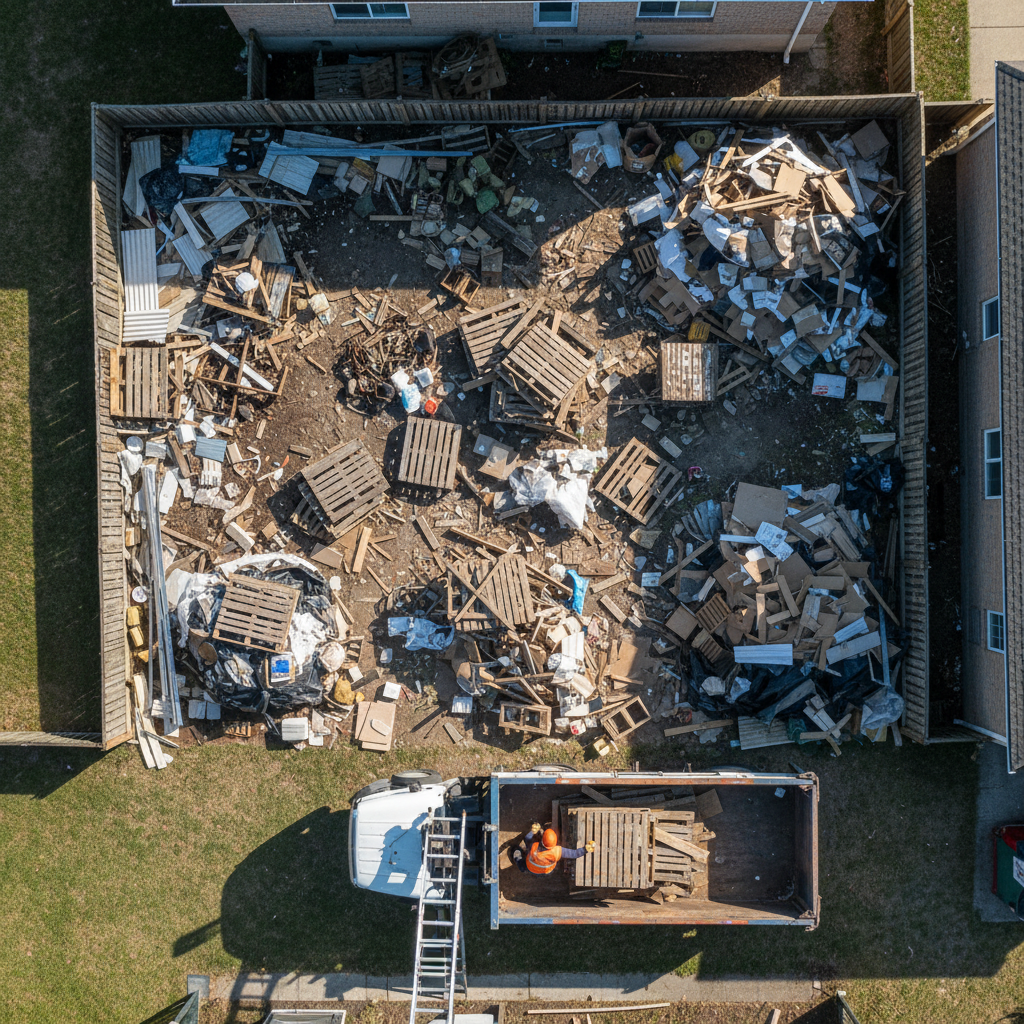
Prioritize Areas for Debris Removal
Once it is safe to move around, prioritize the areas that require immediate attention. Focus on clearing access paths and entrances to your home first. This will help ensure that emergency services can reach you if needed and that you can safely leave your property if necessary.
Identify and Separate Debris
Organize the debris into categories such as tree limbs, building materials, and household items. This will not only make the removal process more efficient but also comply with local waste management regulations. Some items may require special handling or disposal methods.
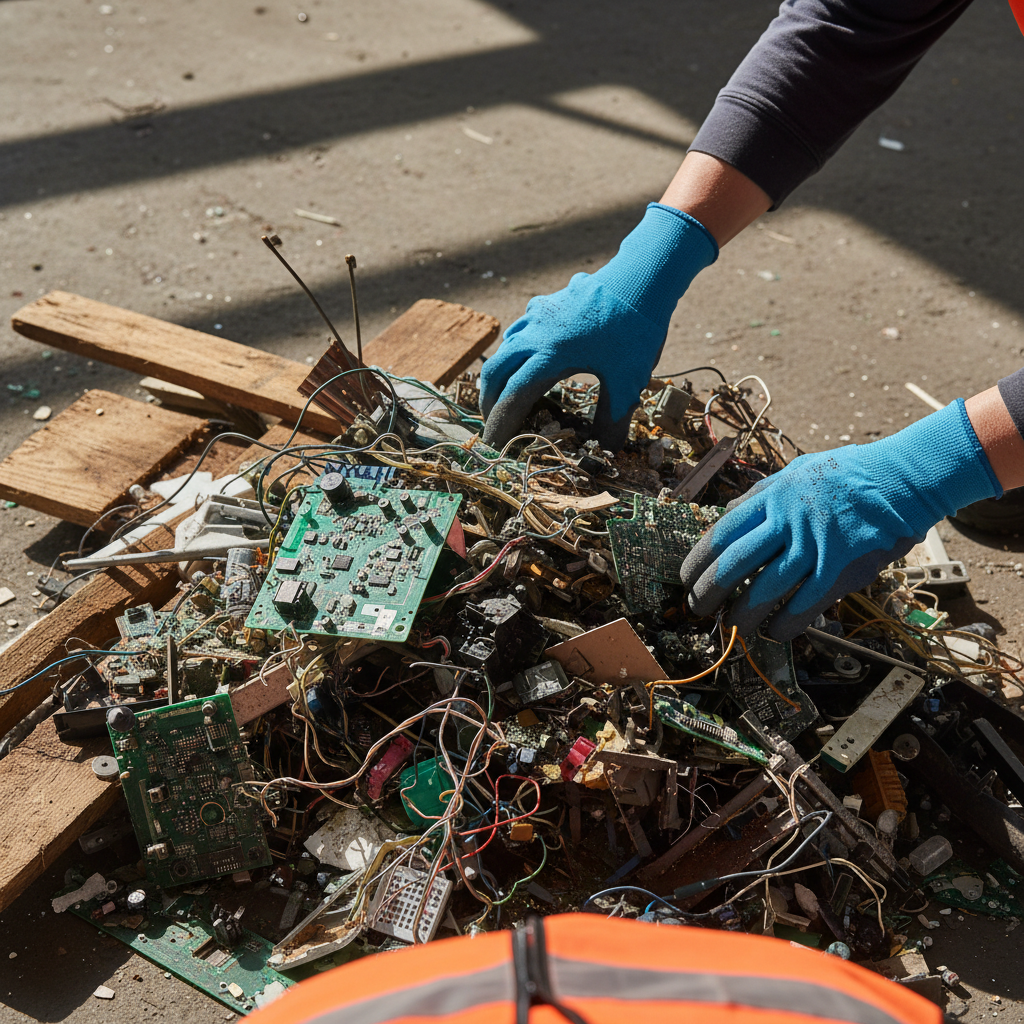
Use the Right Tools and Equipment
Having the right tools can make a significant difference in how quickly and safely you can remove debris. Common tools include gloves, rakes, shovels, and wheelbarrows. For larger debris, you might need chainsaws or other specialized equipment. Always follow safety guidelines when using these tools.
Enlist Help if Necessary
Debris removal can be a daunting task, especially after severe storms. Don't hesitate to enlist help from neighbors, friends, or professional services. Many communities come together to help each other during such times, so leveraging this support can speed up recovery.

Dispose of Debris Properly
After collecting the debris, ensure it is disposed of properly according to local guidelines. Some materials might be recyclable, while others need to be taken to specific waste disposal sites. Check with your local waste management authorities for instructions on how to handle different types of debris.
Consider Hiring Professional Services
If the volume of debris is overwhelming or if there are hazardous materials involved, consider hiring professional debris removal services. Professionals have the equipment and expertise to handle large-scale cleanup operations safely and efficiently.
Take Preventative Measures for the Future
Once the debris is cleared, consider taking preventative measures to minimize damage from future storms. This can include trimming trees, securing outdoor items, and reinforcing structures. Being proactive can save time and resources the next time a storm hits.

Handling debris removal after a storm is a challenging but essential task. By following these steps, you can ensure a safe and efficient cleanup process, helping your community recover and return to normalcy as quickly as possible.