
- Home
- Blog
- About Quality Demolition and Land Clearing
- Get a Free Estimate!
- FAQs: Land Clearing, Excavation & Demolition in Knoxville
- Demolition Services
- Land Clearing & Site Prep
- Emergency Debris Removal Service
- Tree & Brush Removal
- Excavation & Grading
- Knoxville Demolition
- Mobile Home Demolition & Removal in Knoxville, TN
- Pool Demolition & Removal Services in Knoxville, TN
- Concrete & Foundation Removal
- Dump Truck Hauling & Material Delivery in Knoxville, TN | Gravel, Mulch & Dirt
- demolition-sevierville-tn
- demolition-lenoir-city-tn
- demolition-oak-ridge-tn
- knox county demolition and land clearing
- Excavation Services Oak Ridge TN
- Excavation Services Lenoir City TN
- Excavation Services Maryville TN
- Excavation Services Loudon TN
- Excavation Services in Sevierville TN
- Excavation Services Farragut TN
- Excavation Services Seymour TN
- Excavation Services Powell TN
- Excavation Services Halls TN
- Excavation Services Karns TN
- Excavation Services Clinton TN
Common Myths About Demolition Debunked
Understanding Demolition: Myths and Facts
Demolition is often misunderstood, with many myths surrounding its practices and impact. These misconceptions can lead to confusion and misinformation. Let's debunk some of the most common myths about demolition.
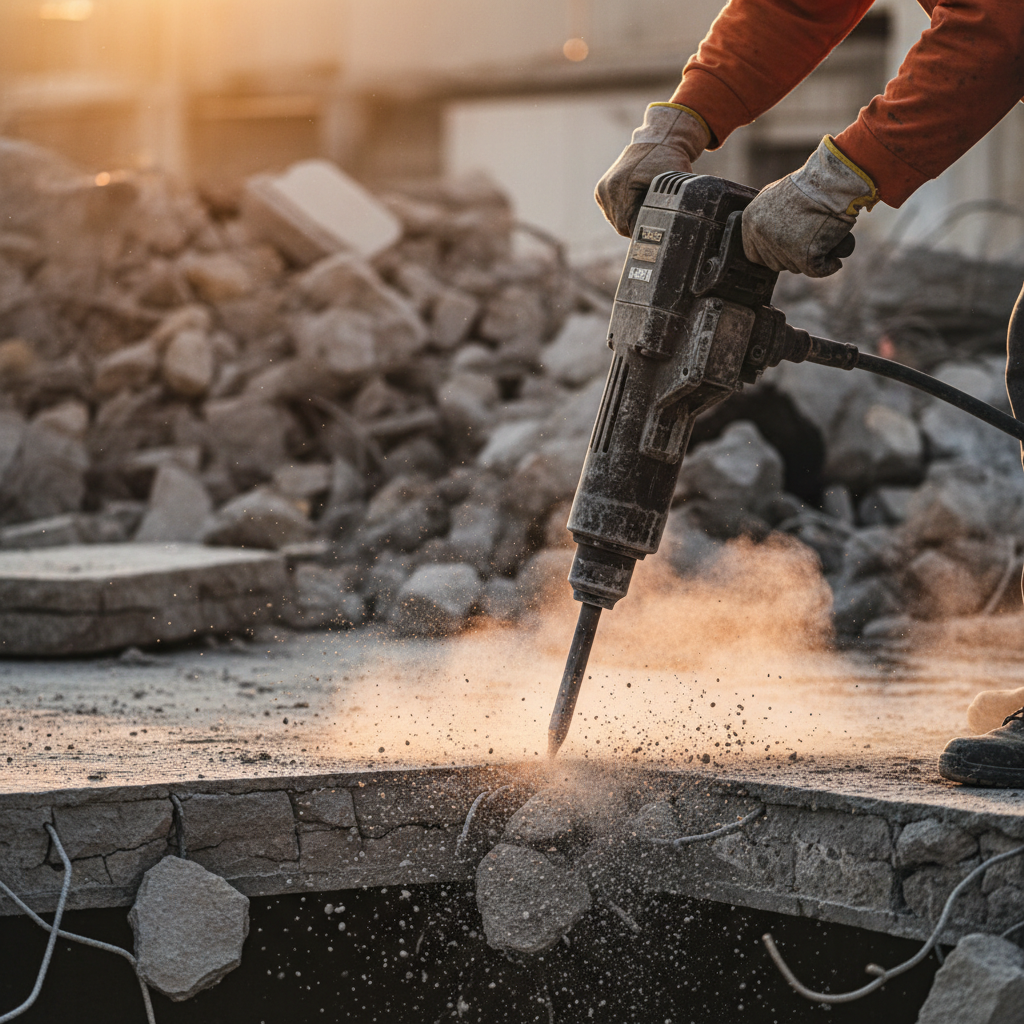
Myth 1: Demolition is Always Destructive
One of the most prevalent myths is that demolition is purely destructive. While it’s true that demolition involves tearing down structures, it’s not just about destruction. Controlled demolition is a precise science that requires careful planning and execution. The aim is often to clear a space efficiently and safely for new developments or renovations.
Moreover, many demolition projects focus on sustainability by salvaging materials for reuse and recycling, minimizing waste, and protecting the environment.
Myth 2: Demolition is Unsafe
Safety is a top priority in the demolition industry. Modern demolition practices adhere to strict safety regulations and guidelines. Professionals use advanced technology and equipment to ensure the safety of workers and surrounding areas. Risk assessments and safety protocols are integral parts of every demolition project.
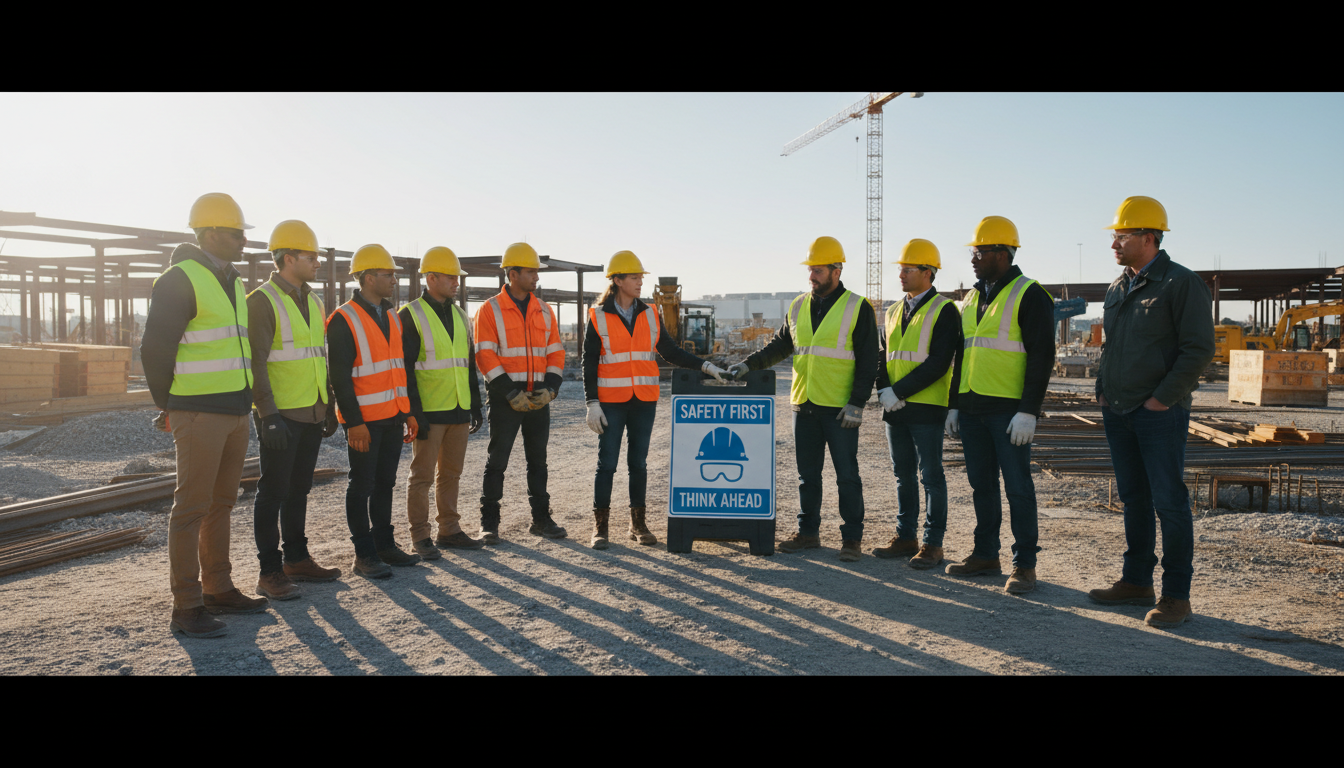
Myth 3: Demolition is a Simple Process
Many people believe that demolition is a straightforward task. In reality, it involves complex planning and engineering. Demolition experts must consider various factors, including the building’s structure, location, and environmental impact. Each project is unique and requires a tailored approach to ensure success.
The process often includes obtaining permits, conducting site inspections, and coordinating with local authorities to comply with legal and environmental standards.
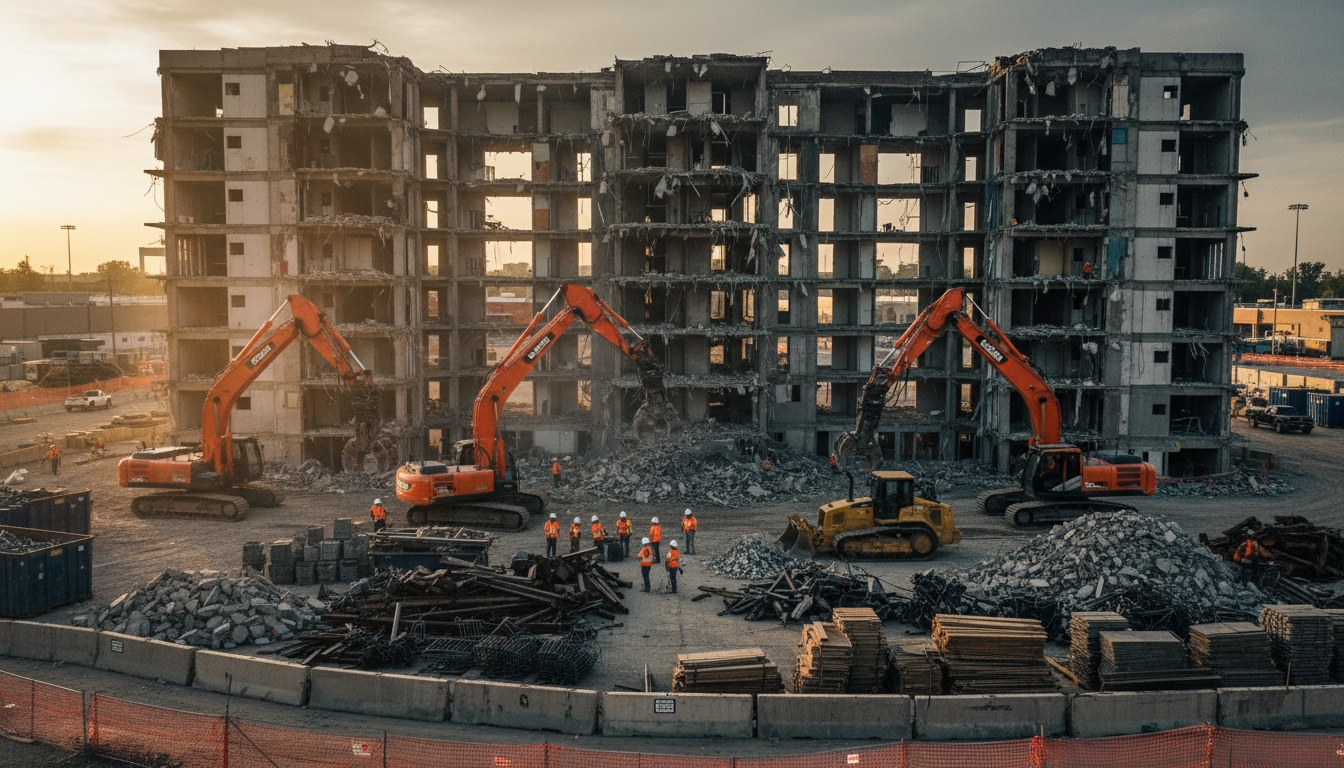
Myth 4: Demolition is Expensive
While demolition can be costly, it is often more economical than renovating an unsafe or outdated building. The costs depend on various factors such as the size and complexity of the project. However, investing in skilled professionals can lead to cost savings in the long run by preventing unexpected complications.
Furthermore, the recycling of materials and efficient project management can significantly reduce overall expenses.
Myth 5: Demolition Harms the Environment
There's a common belief that demolition is detrimental to the environment. However, many companies are committed to eco-friendly practices. They focus on reducing the carbon footprint by recycling materials like steel, wood, and concrete. These practices help conserve natural resources and reduce landfill waste.
Innovative technologies and methods are continually being developed to make demolition even more environmentally friendly.

By understanding these myths and the realities of demolition, we can appreciate its role in urban development and renewal. Demolition is not just about tearing down the old but also about paving the way for the new with safety, efficiency, and sustainability in mind.