
Building demolition involves more than just knocking down structures. It requires careful planning and skilled execution. People in the demolition industry follow a series of steps to ensure the process is safe and efficient.
Planning and Preparation
Before any demolition work begins, a thorough plan is essential. Experts assess the building and its surroundings. They identify potential hazards and determine the best approach for the demolition.
The planning phase also involves obtaining necessary permits. People need to comply with local regulations to proceed with the demolition. This step ensures that the process is legal and safe for everyone involved.
Safety Measures
Safety is a top priority in demolition work. Workers set up barriers and warning signs around the site. These measures protect both the crew and the public from potential dangers.
Personal protective equipment is crucial for workers. They wear helmets, gloves, and safety boots to minimize the risk of injury during the demolition process.
Demolition Techniques
Different techniques are used depending on the type of building. For smaller structures, manual demolition might be sufficient. Workers use tools like sledgehammers and crowbars to tear down walls and remove materials.
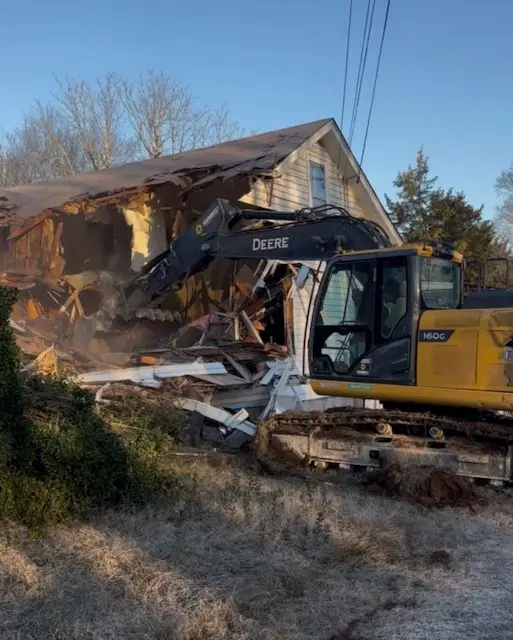
Larger buildings often require mechanical demolition. Machines such as excavators and bulldozers help in breaking down the structure efficiently. This method is faster and more effective for bigger projects.
Debris Removal and Site Cleanup
Once the building is demolished, debris removal is the next step. Workers collect and sort materials for recycling or disposal. This process helps in reducing waste and promoting sustainability.
Site cleanup is crucial after debris removal. People ensure that the area is free from hazards and ready for future development. A clean site is essential for the safety of future construction projects.
Environmental Considerations
Demolition can impact the environment. It's important to consider factors like dust and noise pollution. People in the industry take steps to minimize these effects.
Using water sprays can control dust during demolition. Noise barriers help in reducing sound pollution, ensuring minimal disruption to the surrounding community.
Conclusion
Understanding the demolition process helps in appreciating the complexity of the work. It involves planning, safety, and environmental considerations. Skilled professionals ensure that each step is carried out efficiently and responsibly.
Whether it's a small house or a large building, demolition requires expertise and precision. By following the outlined steps, people in the industry can safely and effectively bring down structures, paving the way for new developments.
https://youtu.be/gISv99-aqfM?si=tRk_Zgt93f02rtVb
Need this done in East Tennessee?
Quality Demolition & Land Clearing is a family-owned crew based in Farragut, working up to 100 miles across East Tennessee with our own excavators, track loader and dump trucks. Estimates are free and prices are fixed in writing.
Related services
Areas we serve
Keep reading
The Demolition Process: A Step-by-Step Guide
Understanding the Demolition Process Demolition is more than just tearing down buildings. It involves careful planning and execution. People need to follow
October 18, 2024 Residential DemolitionThe Art of Demolition: Techniques and Tools Explained
The Importance of Planning in Demolition People often underestimate the complexity of demolition work. Proper planning is crucial. Before any project begin
October 18, 2024 Residential DemolitionHow to Prepare Your Property for Demolition: Tips from East TN Experts
Understanding the Demolition Process Preparing your property for demolition involves more than just tearing down walls. It's a comprehensive process that r
October 22, 2026